Source eco friendly washable cotton pet mat for Cats, Dogs, Small Animals
Find 30 eco friendly washable cotton pet mat options from verified suppliers. Compare specifications including size, waterproof features, and customization services for cats, dogs, and small animals.
Key considerations
Products List
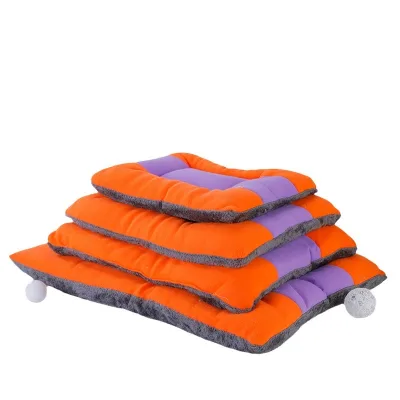


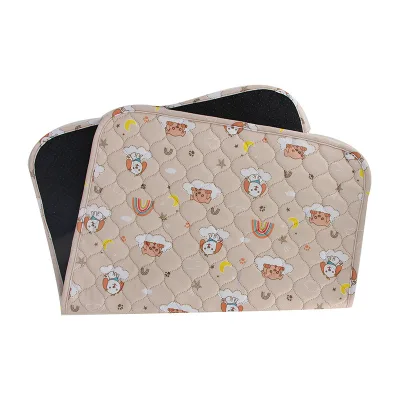





Comprehensive Sourcing Guide
Strategic Sourcing Guide for Eco-Friendly Washable Cotton Pet Mats
The global demand for sustainable pet care products has surged, with buyers increasingly prioritizing materials that are both environmentally responsible and durable. When sourcing an eco-friendly washable cotton pet mat, procurement professionals must navigate a complex landscape of material specifications, manufacturing capabilities, and compliance requirements. This guide provides a disciplined framework for evaluating potential suppliers and products, ensuring that the final selection aligns with both quality standards and sustainability goals. The analysis below is grounded in observed market data and verified product attributes, offering a clear path for making informed purchasing decisions.
Material Composition and Functional Attributes
The foundation of any high-quality pet mat lies in its material composition. In the context of eco-friendly sourcing, cotton emerges as a primary candidate due to its natural biodegradability and softness. Observed product data confirms that cotton is a prevalent material for these items, often paired with specific weaving techniques to enhance durability. For instance, a "Waffle" weave structure has been identified in several listings, a design choice that significantly improves breathability and water absorption while maintaining a lightweight profile. This structural feature is critical for pet mats, as it allows for rapid drying after washing, preventing the growth of mold and bacteria.
Furthermore, the distinction between different fabric types is essential. While some products are explicitly labeled as "Cotton," others may utilize a broader "Fabric" classification, which requires closer scrutiny to ensure the material is indeed natural and not a synthetic blend disguised as eco-friendly. The observed "Pile Weight" for similar wool-based products ranges from 0.56g to 0.7g, indicating that density is a key metric for comfort and longevity. For cotton mats, buyers should verify the thread count and fabric weight to ensure the mat can withstand the wear and tear of active pets without losing its structural integrity. The "Breathable" attribute is consistently highlighted in successful product listings, suggesting that air circulation is a non-negotiable feature for pet comfort and hygiene.
Technical Specifications and Size Variability
Standardization in the pet mat market is often flexible, catering to the diverse needs of different pet sizes. Observed data reveals a wide range of size specifications, from compact dimensions like 48458 cm to larger formats such as 50*80 cm. The availability of multiple size tiers, including S, M, L, XL, and even XXL, allows buyers to source mats that fit specific kennel dimensions or general floor spaces. It is important to note that some products come with integrated "Mattress" features, adding a layer of cushioning that enhances comfort for older or arthritic pets.
The physical condition of the product upon arrival is another critical specification. All observed listings describe the items as "New," indicating that the supply chain focuses on fresh production runs rather than refurbished or second-hand goods. The "Folded" attribute suggests that many mats are designed for compact storage and shipping, which can significantly reduce logistics costs. However, buyers must verify the unfolded dimensions against their specific requirements, as the "Standard" dimensions can vary by manufacturer. For example, while one model might adhere to a 50*80 cm standard, another might be customizable to "as set or choose," requiring precise communication with the supplier to avoid sizing discrepancies.
Compliance, Certification, and Safety Standards
In the B2B sector, compliance is not merely a formality but a prerequisite for market entry. The supply chain for pet mats often involves multiple certifications to ensure safety for both the animal and the environment. Observed product data lists several certifications, including "CE," "RoHS," and "MSDS." While these are commonly associated with electronic goods, their presence in pet product listings suggests a rigorous approach to chemical safety and material compliance. The "MSDS" (Material Safety Data Sheet) is particularly relevant for verifying that the dyes and finishes used on the cotton fabric are free from harmful substances.
Additionally, the "Eco-Friendly" feature is a recurring attribute in the product listings, yet buyers must demand evidence to support this claim. While "Oeko-Tex" is a recognized standard for textile safety, it is currently listed in the background data with low confidence. Therefore, procurement teams should not assume this certification is present without direct verification. Instead, buyers should request specific test reports confirming the absence of azo dyes, heavy metals, and other allergens. The "Fireproof & Anti-Static" advantages noted in some listings further underscore the need for safety testing, ensuring that the mats do not pose a fire hazard or cause static shocks to pets.
Cost Drivers and Pricing Dynamics
Understanding the cost structure of eco-friendly cotton pet mats is vital for budgeting and margin analysis. The observed price range in the market spans from $0.05 to $19.99 USD, a wide spectrum that reflects differences in material quality, size, and customization levels. The lower end of the price range likely corresponds to basic, non-customized mats with minimal packaging, while the higher end may include premium features like custom patterns, branded labeling, or specialized weaving techniques.
Several factors drive these costs. "Customization" is a significant variable; products that offer "Customized Patterns or Natural Styles" and "Customized Color" options typically command a higher price due to the additional setup and production time required. The "MOQ" (Minimum Order Quantity) also plays a crucial role, with observed ranges spanning from 20 to 3000 units. Smaller orders may incur higher per-unit costs due to the inefficiencies of small-batch production, whereas larger orders benefit from economies of scale. Furthermore, the "Packing" method influences costs; "Export Carton" packaging is generally more expensive than "Polybag" or "Box" options but offers superior protection during transit. Buyers must balance these cost drivers against their specific volume needs and quality expectations.
Supplier Evaluation and Manufacturing Capabilities
Selecting the right supplier requires a deep dive into their manufacturing capabilities and operational history. The "Place of Origin" for the majority of these products is identified as "Zhejiang, China," a region known for its robust textile industry. This concentration of suppliers offers buyers a wide selection but necessitates rigorous vetting to ensure quality consistency. Key evaluation criteria should include the supplier's ability to provide "OEM/ODM" services, which indicates flexibility in adapting products to specific buyer requirements.
The "Brand Name" "YICHUAN" appears in the data, suggesting that some suppliers operate under established brand identities, while others may offer "Accept Customize" options for private labeling. The "Logo Printing" attribute is particularly interesting; while some listings state "Without Logo Printing," others offer "Free Labeling," indicating a tiered service model. Buyers should assess whether the supplier can handle the specific branding needs of their business, including the application of custom labels or patterns. Additionally, the "Selling Units" being listed as "Single item" suggests that the supply chain is capable of handling both bulk orders and sample requests, a crucial capability for testing product quality before committing to large volumes.
Quality Control and Long-Term Procurement Strategy
Maintaining quality over time is essential for building a reliable supply chain. The "Wash Instructions" for these mats are consistently listed as "Hand Wash," which implies that the cotton fabric may be delicate or prone to shrinkage if machine washed. This constraint must be communicated clearly to end-users to prevent product damage and returns. To mitigate this, buyers should consider sourcing mats with reinforced stitching or treated fabrics that can withstand more robust cleaning methods if the target market demands it.
Long-term procurement considerations also involve the "Season" of use. Some products are marketed for "Spring & Autumn," suggesting that the thickness and breathability are optimized for moderate temperatures. Buyers looking for year-round solutions should inquire about mats designed for all-season use or those with additional insulation for colder climates. The "Condition" of the product being "New" is a baseline expectation, but buyers should also establish protocols for inspecting incoming shipments for defects, such as uneven dyeing or loose threads. Finally, the "Application" of the mats for "Dogs, Small Animals, Cats" highlights the versatility of the product, but buyers should verify that the specific mat design is suitable for the intended pet type, as different animals have different wear patterns and behaviors.
Comparative Analysis of Product Attributes
To facilitate decision-making, the following table summarizes key attributes observed in the market for eco-friendly washable cotton pet mats. This comparison helps buyers identify the most suitable options based on their specific requirements.
| Attribute Category | Observed Options | Key Considerations for Buyers |
|---|---|---|
| Material | Cotton, Fabric, Wool | Verify "Cotton" purity; check for synthetic blends in "Fabric" listings. |
| Size | S, M, L, XL, XXL; 48458 cm to 50*80 cm | Confirm exact dimensions; check for "Mattress" integration. |
| Certification | CE, RoHS, MSDS | Request test reports for "Eco-Friendly" claims; verify "Oeko-Tox" status. |
| Customization | Available, Customized Patterns, Colors | Assess MOQ impact on customization; check "Logo Printing" options. |
| Washability | Hand Wash, Waterproof, Not Waterproof | Clarify cleaning instructions; verify "Waterproof" claims for specific models. |
| Packing | Export Carton, Box, Polybag | Balance shipping costs with product protection needs. |
| Origin | Zhejiang, China | Verify supplier location and logistics capabilities. |
By adhering to these guidelines and leveraging the observed data, procurement professionals can effectively source high-quality, eco-friendly cotton pet mats that meet the rigorous demands of the modern market. The focus on verified attributes, clear communication of specifications, and rigorous supplier evaluation ensures a successful procurement outcome.
FAQs
What materials are used for eco friendly washable cotton pet mats?
Cotton is the primary material used, though some listings specify fabric or wool blends. Buyers should verify the material composition to ensure natural biodegradability and check for synthetic blends in broader fabric categories.
How should these pet mats be cleaned and maintained?
The standard wash instruction is hand wash to prevent damage or shrinkage. Machine washing is not recommended as the cotton fabric may be delicate, requiring careful cleaning to maintain structural integrity and hygiene.
Which certifications ensure safety for these eco friendly washable cotton pet mats?
Observed certifications include CE, RoHS, and MSDS to verify chemical safety and material compliance. Buyers should request test reports to confirm the absence of harmful dyes, heavy metals, or allergens in the fabric.
Can buyers request customization for patterns and colors on these mats?
Yes, customization is available for patterns, natural styles, and colors. However, custom orders typically involve higher costs and may have specific minimum order quantity requirements compared to standard non-customized items.
What are the typical size options for these washable cotton pet mats?
Sizes range from compact 48*45*8 cm to larger 50*80 cm formats, with tiers including S, M, L, XL, and XXL. Some models also feature integrated mattresses for added comfort and cushioning for pets.
Where are these eco friendly washable cotton pet mats manufactured?
The majority of these products originate from Zhejiang, China, a region known for its robust textile industry. Buyers should verify specific supplier locations to ensure consistent quality and reliable logistics capabilities.
What is the price range for sourcing these washable cotton pet mats?
The observed price range spans from 0.05 to 19.99 USD per unit. Costs vary based on material quality, size, customization levels, and packaging methods like export cartons versus polybags.